
The Ultimate Guide to Design Your Luxury Private Retreat


We've all become creatures of habit, caught in the endless cycle of daily routines that slowly drain our energy and disconnect us from our true selves. In our fast-paced lives, finding a space to truly unwind and reconnect with what matters most has become a necessity. A private retreat isn't just a home; it's a private world built for ultimate comfort and rejuvenation. We've compiled the ultimate guide to design your luxury private retreats to help you embark on this journey.
Why Do We Desire a Retreat?

At the heart of every retreat lies a simple truth. We all long to step away from the busyness of everyday life and find a moment to reconnect with ourselves. Across cultures and centuries, people have sought sanctuaries, whether monasteries, cabins, or hideaways, as spaces apart from the demands of daily life.
Today, that longing feels more urgent. More people are turning to private villas and bespoke retreats as their chosen sanctuaries. The rise of this trend is reflected in the villa rental market, which is expected to grow beyond $1.38 billion in India by 2028. It signals a deeper shift - a desire to slow down, seek quiet, and return to ourselves.
The modern world surrounds us with noise, urgency, and distraction. A retreat, whether it lasts a weekend or a single evening, offers something quietly powerful:
Stillness to hear our own thoughts: In the quiet, away from the noise of routine, we finally make space to listen to what our inner voice has been trying to say.
Beauty that softens and inspires: Surrounded by thoughtful design and visual harmony, our minds begin to open, and our hearts feel a little lighter.
Nature that grounds and calms: The presence of natural elements reminds us to slow down, breathe deeper, and feel more connected to the world around us.
We don’t seek retreats simply because we are tired. We seek them because true living needs pauses. In stillness, we return to what matters most, i.e., to ourselves, with greater clarity, ease, and purpose.
Understanding the Essence of a Private Retreat

There is a sharp difference between a place designed to stay and a place designed to breathe. Unlike regular residences, holiday villas are crafted to offer a sense of distance from daily life. They create a pause, an invitation to slow down and savor moments that often slip by unnoticed.
Neutral Color Palette: Soft, earthy tones create calm and make the space feel airy and expansive.
Biophilic Design: Incorporating natural elements like plants, water, and organic materials deepens the connection to nature.
Natural Materials: Stone, wood, and linen add warmth, texture, and a sense of groundedness.
Aesthetic Style (Minimalist, Scandinavian, or Wabi-Sabi): Design languages that focus on clarity, balance, and natural beauty, shaping how a retreat feels, whether quietly refined, cozy and functional, or deeply soulful.
Open Layouts: Spacious designs promote flow, freedom, and an uncluttered mind.
Soft Lighting: Warm light sources enhance comfort and help shift the mood toward relaxation.
Wellness Integration: Spaces like spa-inspired bathrooms, meditation corners, and yoga terraces support mental and physical rejuvenation.
Designing such a space requires an understanding that luxury is not just about opulence. It is about emotional resonance. Every element must nurture the spirit, refresh the body, and ease the mind.
Key Principles to Design Your Luxury Private Retreat
Creating a private retreat is about crafting spaces that nurture the soul and encourage rejuvenation. Below are key principles that help build these sanctuaries.
1. Finding the Ideal Spot

The location of your private retreat sets the stage for the entire experience. It should offer a true sense of escape while remaining accessible. Whether it’s a coastal villa with panoramic ocean views, a mountain hideaway offering cool breezes and seclusion, or a lakeside property exuding tranquility, the setting plays a pivotal role in shaping the retreat’s ambiance.
The location influences every aspect of the design, from the layout to the choice of materials. It helps define the spirit of the space and creates a natural connection between the villa and its surroundings.
2. Architecture That Harmonizes With Nature
The architecture of your retreat should harmonize with its natural environment. Rather than overpowering the landscape, the design should work in concert with it. Expansive windows and open spaces invite the outside in, while materials like stone and wood strengthen this connection. Your retreat should feel like an extension of the land it inhabits.
Each design choice, whether a curve, texture, or surface, should be intentional, ensuring that the architecture enhances the landscape rather than competing with it. This creates a timeless, grounded space.
3. Balancing Privacy and Openness in Retreat Design

Achieving the right balance between privacy and openness is essential in retreat design. Your space should offer sweeping views of nature, allowing the outside world to flow in, yet it must also provide intimate areas where you can retreat from the hustle of life. Landscaping features like tall trees, hedges, and natural barriers can create privacy without obstructing the views.
Inside, careful zoning ensures both solitude and connection. Private wings and hidden gardens offer moments of seclusion, while open-plan areas invite a seamless connection to the surrounding beauty.
4. Effortless Luxury in Interior Design
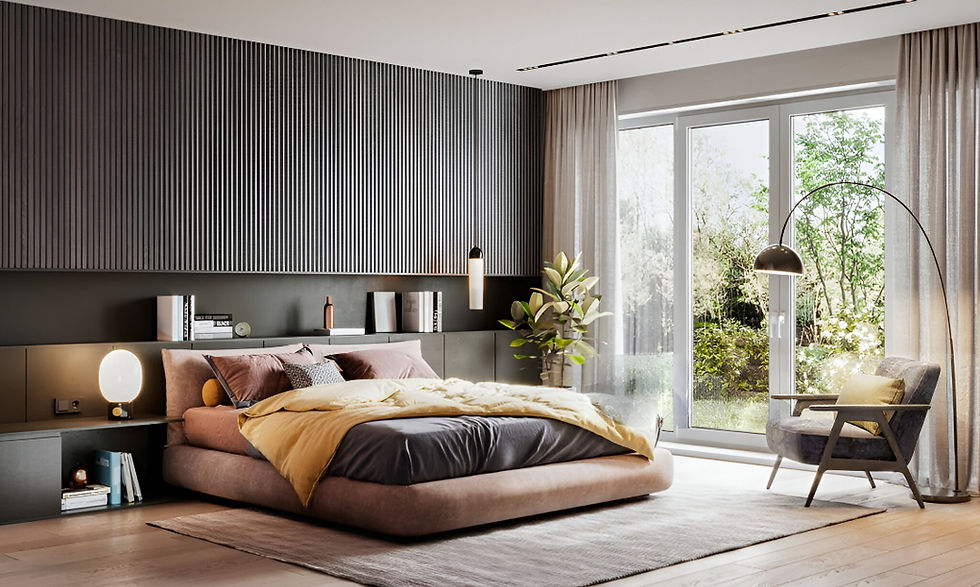
Luxury in your retreat lies in the simplicity and authenticity of its interiors. The goal is to create a space that feels calm and inviting, rather than extravagant. Natural materials such as linen, cotton, and wood bring warmth and texture, encouraging a sense of ease. Soft, neutral tones enhance natural light, creating an atmosphere that feels both open and serene.
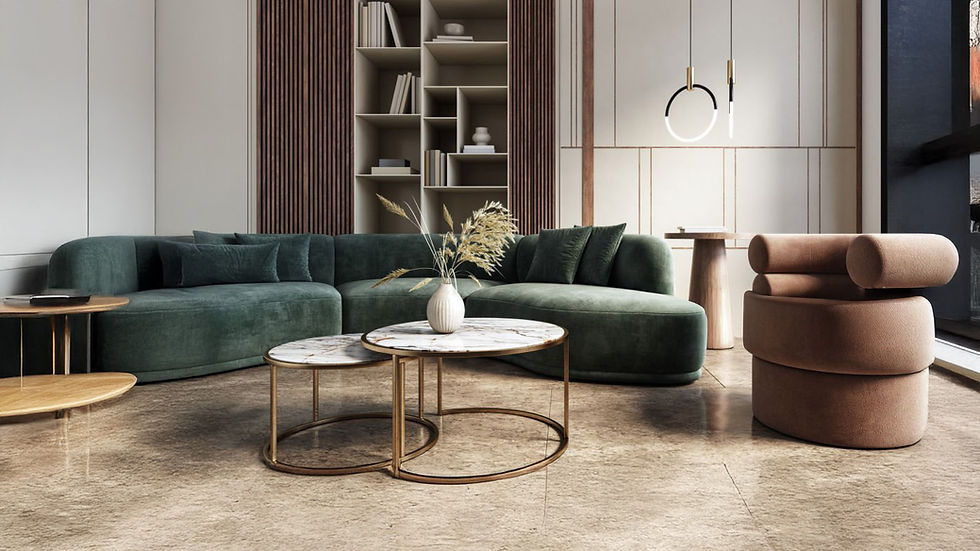
The design should prioritize fluidity, allowing rooms to transition naturally from one to the next. Carefully chosen furniture should support both connection and solitude, offering spaces to gather or simply unwind in peace.
5. Bespoke Furniture and Personalized Living Spaces

Bespoke furniture brings individuality to your private retreat. Custom pieces, like a chaise lounge perfectly positioned for sunset views or a hand-crafted dining table made from local wood, infuse your space with character. These elements speak to personal taste and regional identity, making the design feel grounded and unique.
Personalized touches elevate the experience, turning a beautiful space into a meaningful one. Thoughtful details, such as a hidden reading nook or a quiet garden path, create moments of surprise and intimacy that linger long after your stay.
6. Sustainable and Eco-Conscious Retreat Design
True luxury today is rooted in sustainability. A well-designed retreat is mindful of its environment, creating beauty without excess. Using natural, locally sourced materials supports the regional economy while helping the architecture blend seamlessly into the landscape. Energy-efficient choices, such as solar power and passive cooling, reduce the need for mechanical systems and promote long-term comfort.
Sustainability enhances the experience by deepening the connection to the natural world. When a space respects its setting, it feels more alive, allowing the surrounding landscape to become part of the retreat’s charm.
7. Crafting Memorable Experiences Within the Retreat

A luxury retreat is not just about visual appeal. It is designed to offer a series of intentional, immersive experiences. Whether it is an infinity pool with uninterrupted views or a quiet fire pit under the stars, each space invites you to slow down and connect with the moment.
The layout should support a lifestyle centered on wellness and relaxation. Spaces that encourage rituals like morning yoga, afternoon reading, or evening reflection help transform everyday moments into something restorative and meaningful.
Where Design Becomes a Feeling
Designing your luxury private retreat is an art that goes beyond aesthetics. It is about shaping experiences where architecture, interiors, and the natural world come together to offer a sense of peace and presence.
A true retreat offers more than comfort or beauty. It becomes a space where you feel most alive, most at ease, and deeply connected to the quiet rhythm of life.
FAQs
Q. Is it possible to create a retreat that incorporates local culture and traditions?
Yes, integrating local culture into the design adds uniqueness and authenticity to the retreat. Bespoke furniture, materials, and architectural details inspired by regional traditions can deeply connect the space to its surroundings.
Q. How do I balance privacy with openness in a retreat design?
Achieving this balance requires thoughtful zoning and landscape design. Private areas like secluded gardens or private wings can offer seclusion, while open spaces with expansive views invite nature into the home.
Q. What role does sustainability play in designing a luxury retreat?
Sustainability is essential in luxury design today. Using locally sourced, natural materials, energy-efficient systems, and low-impact design ensures the retreat respects its environment while offering long-term comfort and beauty.

Comments